OUR PERSPECTIVE · 01
WHEN INTELLIGENCE
BECOMES PHYSICAL,
WORK CHANGES.
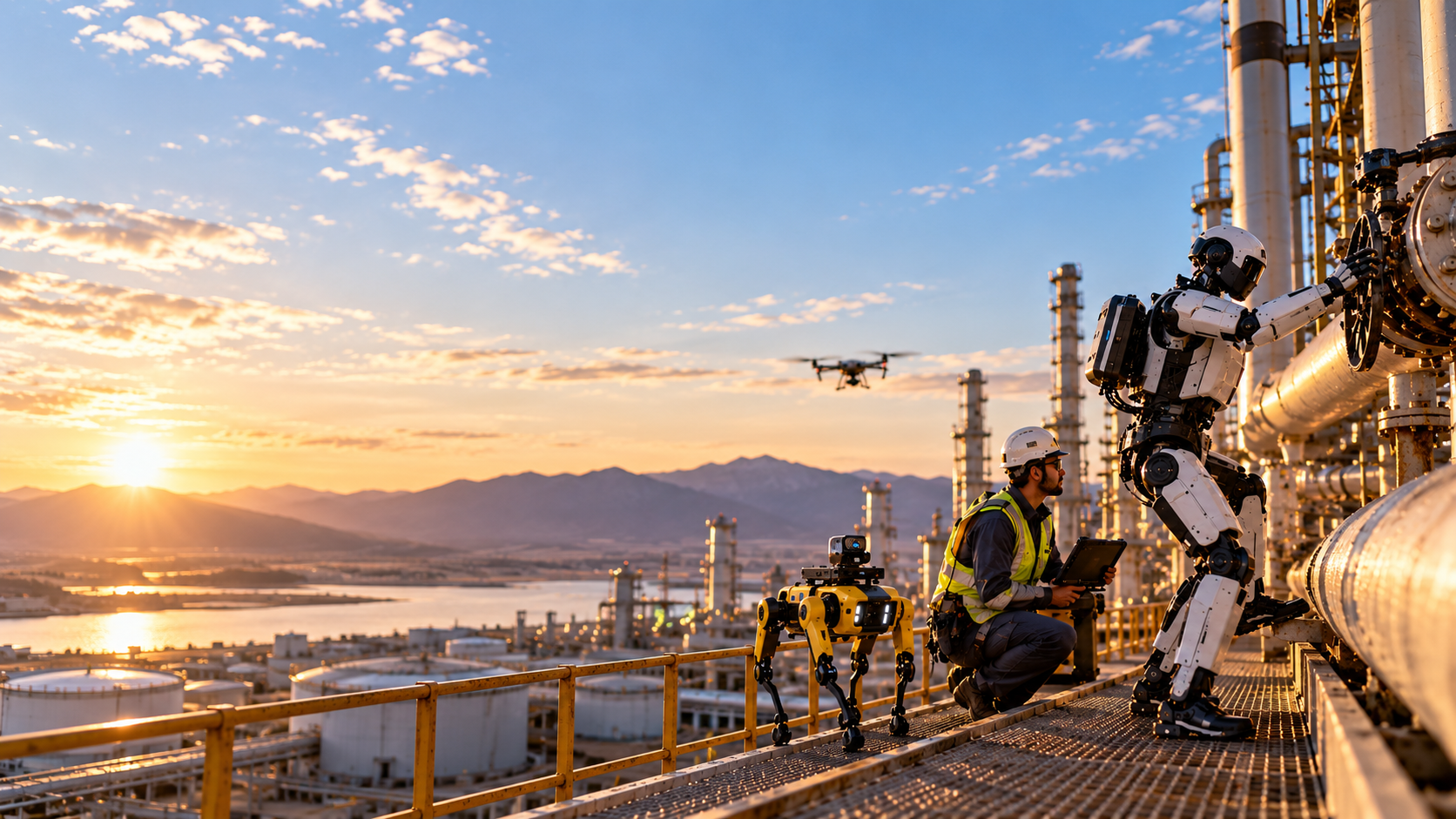
Intelligent machines can increasingly take on work that is dangerous, repetitive, physically demanding or difficult to staff.
When intelligence enters the physical world, mistakes can affect people, equipment and operations.
As machines become more capable, what should we trust them to do?
OUR PERSPECTIVE · 02
CAPABILITY CAN
BE DOWNLOADED.
TRUST MUST
BE EARNED.
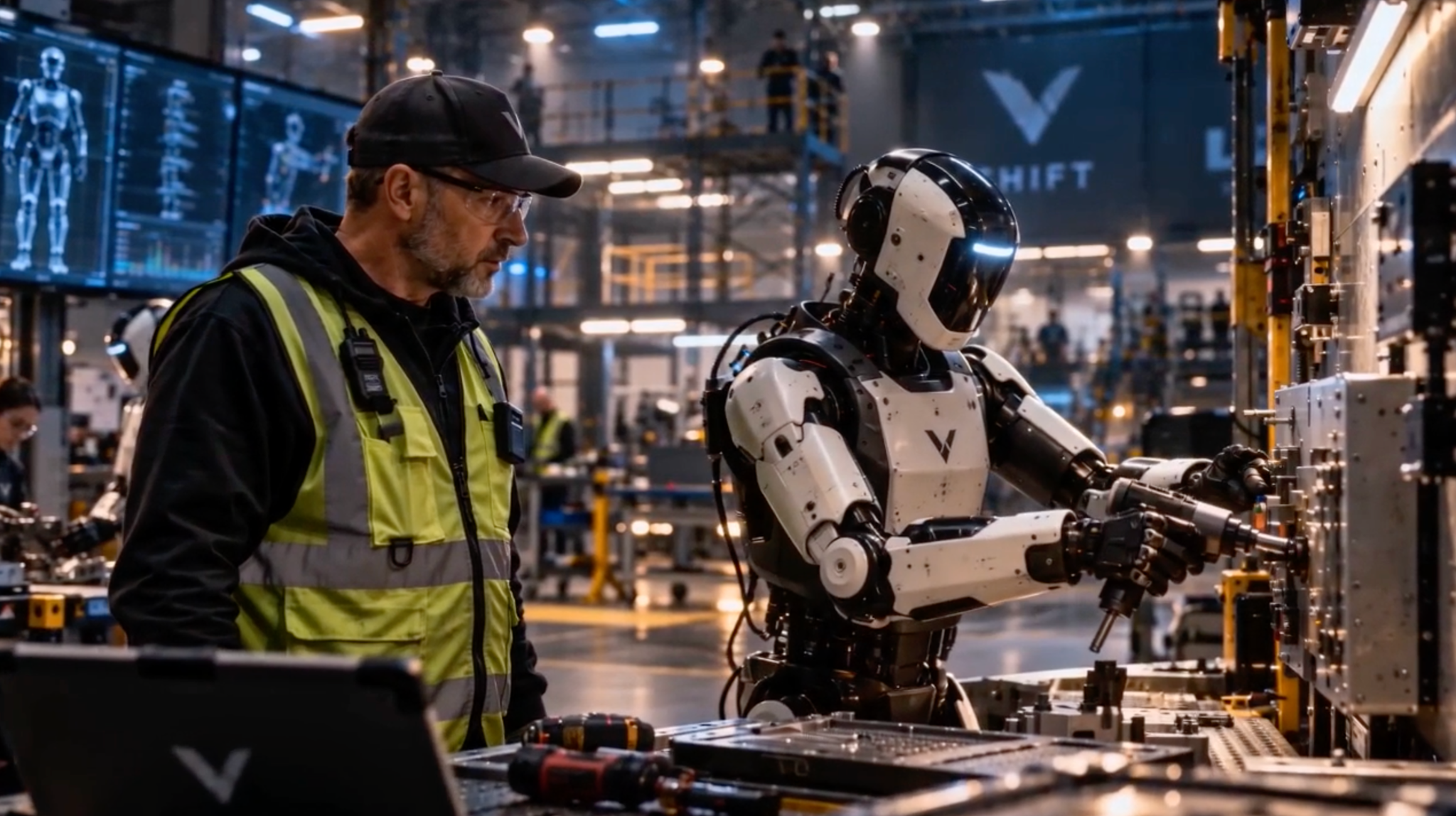
Real workplaces introduce people, uncertainty, safety requirements, policies and consequences that a demonstration cannot replicate.
Machines must demonstrate that they can perform reliably, operate safely and work alongside people.
People and workplaces must be ready too.
OUR PERSPECTIVE · 03
THE FUTURE OF WORK
ISN’T HUMAN OR MACHINE.
IT’S WHAT WE BECOME
CAPABLE OF TOGETHER.
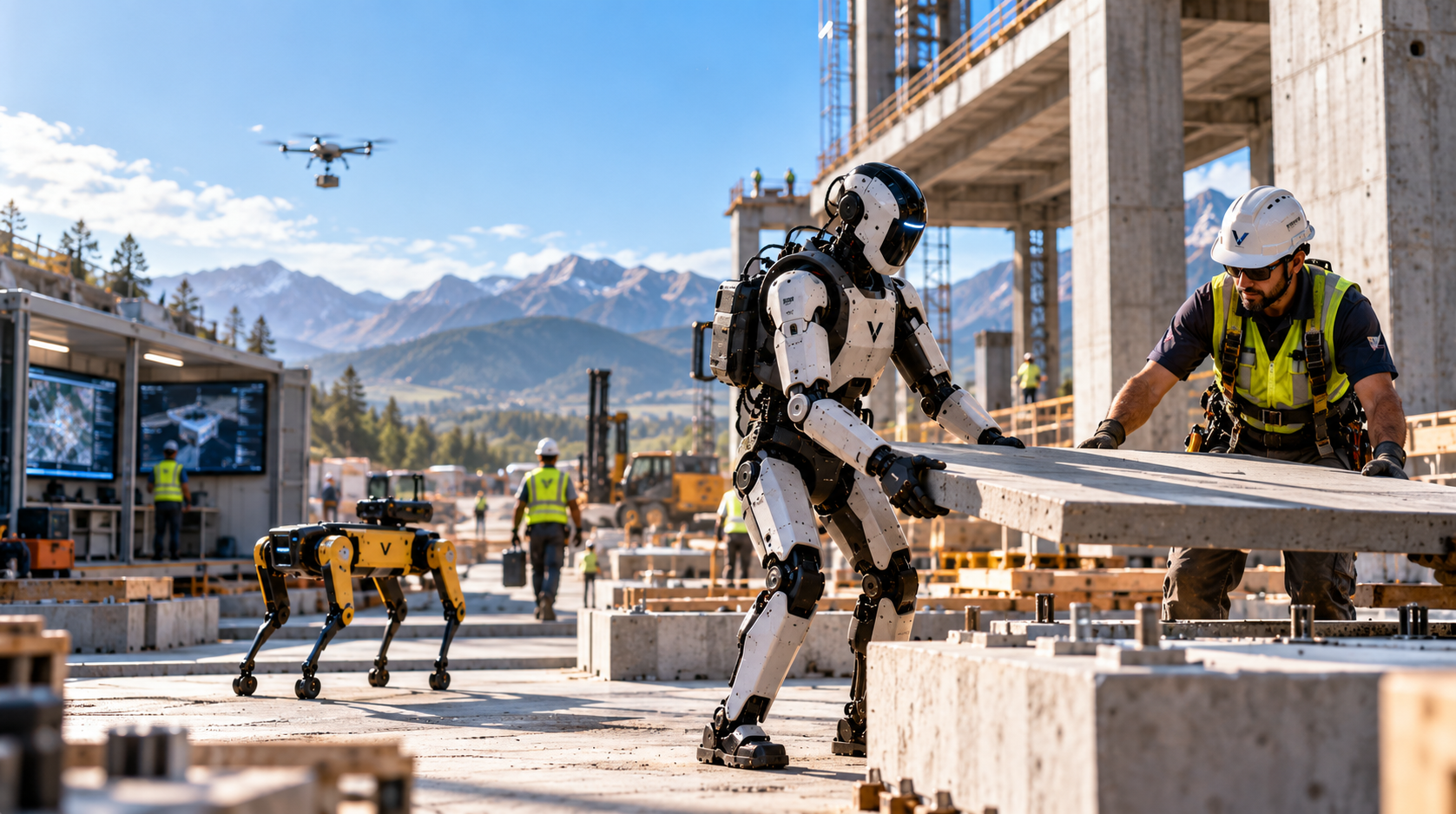
Machines can take on more dangerous, repetitive and physically demanding work.
New roles can place greater value on judgment, creativity, expertise and human connection.
The measure of progress isn’t how much we automate. It’s whether technology expands human possibility.